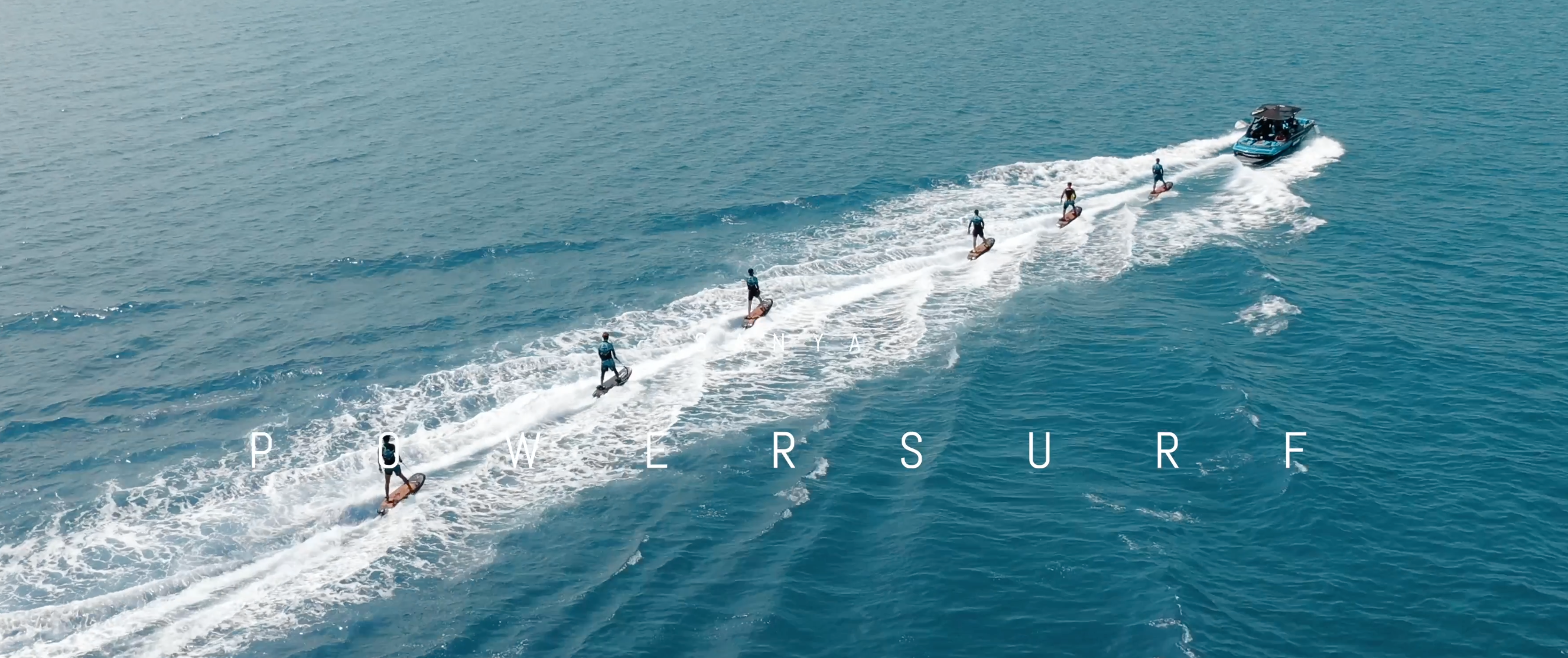
From Novice to Pro: Gas Surfboard's Pathway to Mastery
Jul 22,2024 | JetFly
Gas surfboards have revolutionized the way we experience the thrill of surfing, offering a unique blend of speed, power, and control that traditional paddle surfboards cannot match. For those looking to transition from novice to pro in the world of gas surfboarding, here's a pathway to mastery that can help you navigate the learning curve and achieve your goals:

1. Start with the Basics
- Safety First: Always prioritize safety by wearing appropriate gear, including a life jacket, helmet, and impact vest. Familiarize yourself with the board's controls and emergency procedures.
- Learn the Basics: Begin with understanding the board's mechanics, including how to start, stop, and control the throttle. Practice in calm, shallow waters to get a feel for the board's balance and responsiveness.
2. Develop Your Riding Skills
- Balance and Control: Work on your balance and control by practicing standing up on the board and maintaining your stance while it's stationary. Gradually introduce small movements to build confidence.
- Throttle Management: Learn to manage the throttle smoothly to control your speed. Practice accelerating and decelerating in a controlled manner to improve your riding stability.
3. Master the Art of Turning
- Basic Turns: Start with simple turns, focusing on shifting your weight and using the board's natural pivot point to change direction.
- Advanced Maneuvers: As you become more comfortable, experiment with more advanced maneuvers such as carving turns, cutbacks, and aerials. These require a deeper understanding of board control and timing.
4. Understand the Water Conditions
- Reading the Waves: Learn to read the waves and understand how they affect your riding. This includes knowing how to catch waves, ride them out, and exit safely.
- Adapting to Conditions: Different water conditions will require different riding techniques. Practice in various conditions to become adaptable and versatile.
5. Focus on Safety and Maintenance
- Regular Checks: Regularly inspect your gas surfboard for any signs of wear or damage. Pay special attention to the engine, fuel system, and safety features.
- Proper Maintenance: Follow the manufacturer's guidelines for maintenance to ensure your board remains in top condition. This includes regular cleaning, lubrication, and storage in a safe, dry place.
6. Seek Professional Training
- Lessons and Courses: Consider taking lessons from a certified instructor. They can provide personalized guidance and help you refine your skills.
- Surfing Community: Engage with the surfing community to learn from more experienced riders. They can offer valuable tips and insights.
7. Practice, Practice, Practice
- Consistent Practice: The key to mastering gas surfboarding is consistent practice. Dedicate time to ride regularly and challenge yourself with new skills and conditions.
- Set Goals: Set achievable goals for yourself, such as mastering a new maneuver or riding a specific type of wave. This will help you stay motivated and focused on your progress.
Conclusion
Mastering gas power surfboarding is a journey that requires dedication, practice, and a commitment to safety. By starting with the basics, developing your riding skills, understanding water conditions, focusing on safety and maintenance, seeking professional training, and practicing consistently, you can progress from novice to pro in the exciting world of gas surfboarding. Remember, every expert was once a beginner, and with time and effort, you too can become a master of the waves.
Commentaire